
Understanding Dysmenorrhea and Its Treatment Approaches
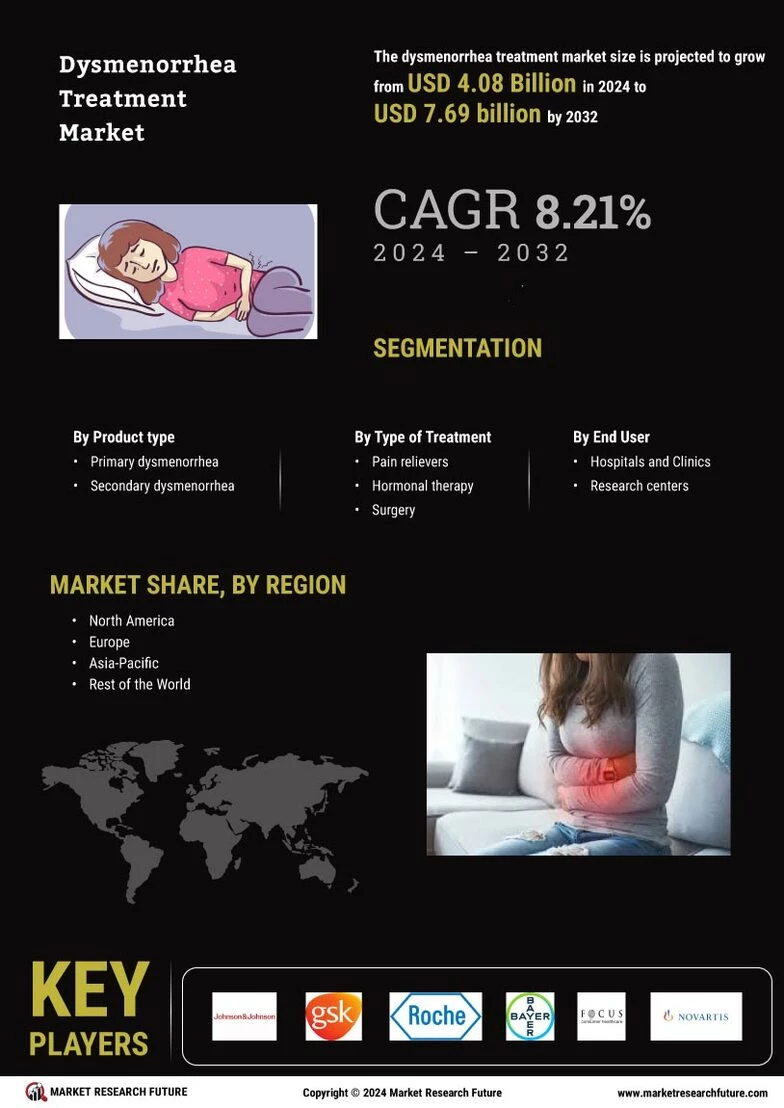
Dysmenorrhea refers to painful menstrual cramps that occur before or during menstruation. It is a common condition affecting adolescents and adult women, with symptoms ranging from mild discomfort to severe pain that interferes with daily activities. Treatment for dysmenorrhea focuses on pain relief, improving quality of life, and addressing any underlying causes.
Primary dysmenorrhea occurs without an underlying pelvic disorder and is often linked to prostaglandin release, which causes uterine contractions. Secondary dysmenorrhea is associated with conditions such as endometriosis, fibroids, or pelvic inflammatory disease. Identifying the type is essential for selecting the most effective treatment.
Ref - https://www.marketresearchfuture.com/reports/dysmenorrhea-treatment-market-727
Dysmenorrhea refers to painful menstrual cramps that occur before or during menstruation. It is a common condition affecting adolescents and adult women, with symptoms ranging from mild discomfort to severe pain that interferes with daily activities. Treatment for dysmenorrhea focuses on pain relief, improving quality of life, and addressing any underlying causes.
Primary dysmenorrhea occurs without an underlying pelvic disorder and is often linked to prostaglandin release, which causes uterine contractions. Secondary dysmenorrhea is associated with conditions such as endometriosis, fibroids, or pelvic inflammatory disease. Identifying the type is essential for selecting the most effective treatment.
Ref - https://www.marketresearchfuture.com/reports/dysmenorrhea-treatment-market-727
Understanding Dysmenorrhea and Its Treatment Approaches
Dysmenorrhea refers to painful menstrual cramps that occur before or during menstruation. It is a common condition affecting adolescents and adult women, with symptoms ranging from mild discomfort to severe pain that interferes with daily activities. Treatment for dysmenorrhea focuses on pain relief, improving quality of life, and addressing any underlying causes.
Primary dysmenorrhea occurs without an underlying pelvic disorder and is often linked to prostaglandin release, which causes uterine contractions. Secondary dysmenorrhea is associated with conditions such as endometriosis, fibroids, or pelvic inflammatory disease. Identifying the type is essential for selecting the most effective treatment.
Ref - https://www.marketresearchfuture.com/reports/dysmenorrhea-treatment-market-727
0 Commentaires
0 Parts
131 Vue
0 Aperçu

 English
 Arabic
 Spanish
 Portuguese
 Deutsch
 Turkish
 Dutch
Dutch
 Italiano
 Russian
 Romaian
 Portuguese (Brazil)
 Greek
Greek